
Table of Contents
- 1. Chamomile: The Classic Calming Cup
- 2. Lemon Balm: A Nervine for Stress Reduction
- 3. Lavender: Aromatherapy in a Teacup
- 4. Peppermint: Digestive Relief for Stress
- 5. Adaptogenic Herbs: Ashwagandha and Tulsi
- 6. Valerian Root: For Sleep and Anxiety
- 7. Passionflower: A Lesser-Known Anxiolytic
- How Herbal Tea Benefits for Anxiety Work
- Frequently Asked Questions
Last Updated: September 19, 2026
1. Chamomile: The Classic Calming Cup
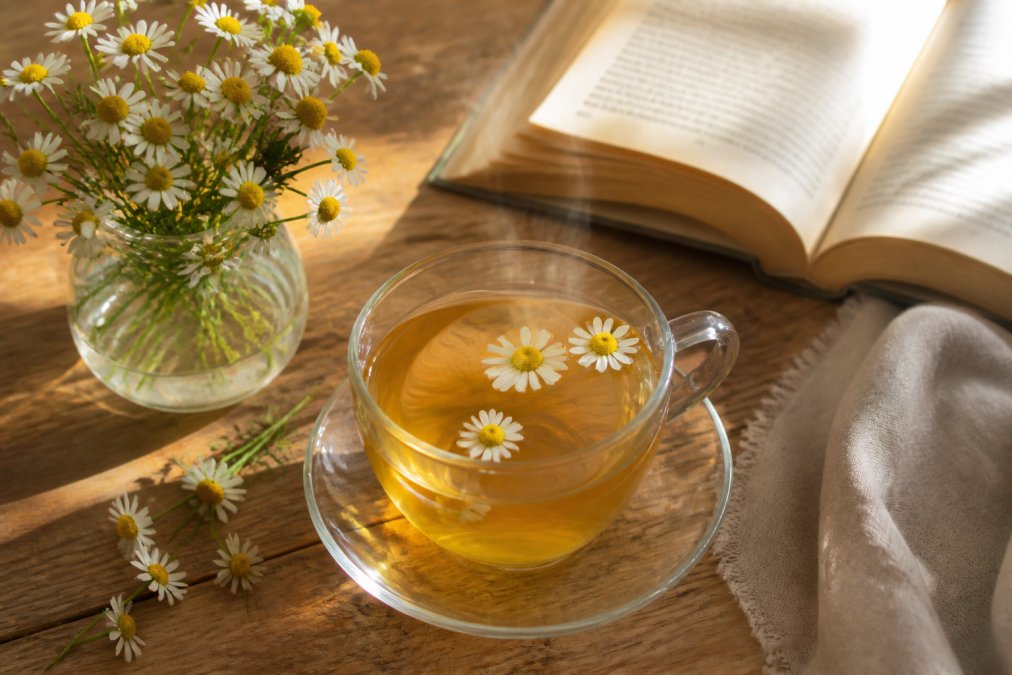
Chamomile is the most recognized of the 7 best herbal teas for stress relief, and it earns that spot through sheer reliability. The flowers contain apigenin, a compound that binds to receptors in the brain associated with calm, and that is why generations have reached for a warm cup before bed. This tea is my default recommendation for anyone who has never tried a calming herbal blend. It is mild, floral, and hard to oversteep into bitterness. The main drawback is that it works gently, so people who want a noticeable shift in mood may find it too subtle. For a caffeine-free evening ritual, though, few things are simpler or more dependable.
2. Lemon Balm: A Nervine for Stress Reduction
Lemon balm is a true nervine, meaning it works directly on the nervous system to ease tension rather than simply warming you up. Many people find it helpful during the day, when they want to feel steady without drowsiness. The flavor is bright and citrusy, closer to lemon than to grass, which makes it one of the easiest herbal teas to drink unsweetened. In practice, this is the blend I suggest for a mid-afternoon slump, when coffee would only add jitters. Its limitation is real: the effects are modest, and heavy stress needs more than a teacup. Still, as a daily habit, lemon balm is one of the most pleasant ways to support nervous system regulation.
3. Lavender: Aromatherapy in a Teacup
Lavender delivers calming effect through scent as much as through taste, which is why it belongs on any list of the 7 best herbal teas for stress relief. The aroma itself triggers a relaxation response before you take a sip, and the volatile oils carry that effect into the cup. Use it sparingly. Lavender turns soapy and sharp when oversteeped, so a pinch goes a long way. I recommend blending it with chamomile rather than drinking it alone. The one drawback is that lavender is polarizing, and some people simply never warm to floral notes. For those who do, it is unmatched as an evening ritual.
4. Peppermint: Digestive Relief for Stress
Peppermint earns its place because stress and digestive health are tightly linked. When you are tense, your gut feels it, and a cup of peppermint can settle that knot quickly. The menthol in the leaves relaxes the muscles of the digestive tract, which is why this is the tea I reach for after a heavy meal or a stressful meeting. It is also one of the most forgiving herbs to brew, since the flavor holds up to longer steeping times. The caution is worth stating plainly: peppermint can worsen reflux for some people. If you deal with heartburn, choose a gentler blend instead.
5. Adaptogenic Herbs: Ashwagandha and Tulsi
Adaptogens are herbs that help the body manage cortisol levels and the broader stress response over time, rather than delivering an immediate calming effect. Ashwagandha and tulsi, also called holy basil, are the two most common in tea form. The key difference from the herbs above is timing: adaptogens build their benefit with consistent daily use, not a single cup. Ashwagandha has an earthy, slightly bitter flavor that pairs well with a sweetener. Tulsi tastes clove-like and peppery. Neither will relax you in ten minutes, and anyone expecting that will be disappointed. Drink them daily for a few weeks and judge for yourself.
6. Valerian Root: For Sleep and Anxiety
Valerian root is the strongest sedative on this list, and it is best treated as a sleep aid rather than an afternoon drink. The root contains compounds with sedative properties that many people find helpful for falling asleep faster, though the taste is famously earthy and medicinal. I would not drink it before driving or during a workday. The evidence for valerian is mixed, and effects vary widely from person to person. A common mistake is brewing it too weak, then concluding it does nothing. If you try it, treat it as part of a full sleep hygiene routine, not a replacement for one.
7. Passionflower: A Lesser-Known Anxiolytic
Passionflower is the quiet overachiever of this group. It is an anxiolytic herb, meaning it helps ease anxiety, and it is often blended with valerian or lemon balm for a stronger effect. The flavor is mild and grassy, so it takes well to a little honey or a squeeze of lemon. What most guides miss is that passionflower works best in combination, not alone. On its own it is gentle, almost too gentle. Blended, it rounds out a nighttime cup nicely. If you have already tried chamomile and found it lacking, passionflower is the logical next step.
How Herbal Tea Benefits for Anxiety Work
Herbal tea benefits for anxiety come from two places: the compounds in the plants and the ritual of drinking them. Some herbs, like valerian and passionflower, contain active compounds that interact with the nervous system. Others, like chamomile and lemon balm, work more gently on the relaxation response. The second factor is easy to overlook. Slowing down for a warm cup is itself a mindfulness practice, and that routine supports mental clarity and calmer evenings. Here is how the main categories compare.
Peach Herbal Tea | Peach Paradise →
| Herb | Best For | Caffeine | Typical Steep Time | Water Temperature |
|---|---|---|---|---|
| Chamomile | Evening wind-down | Caffeine-free | 5-10 min | 200-212°F |
| Lemon Balm | Daytime tension | Caffeine-free | 5-10 min | 200-212°F |
| Lavender | Aromatherapy calm | Caffeine-free | 3-5 min | 200-205°F |
| Peppermint | Digestive stress | Caffeine-free | 5-7 min | 200-212°F |
| Ashwagandha & Tulsi | Long-term stress support | Caffeine-free | 5-10 min (simmer root 10-15 min) | 200-212°F |
| Valerian Root | Sleep support | Caffeine-free | 10-15 min | 200-212°F |
| Passionflower | Anxiety blends | Caffeine-free | 7-10 min | 200-212°F |
Why Brewing Time and Temperature Change the Cup
This is the part most lists skip, and it is the difference between a cup that works and a cup that just tastes like hot water. The calming compounds in these herbs fall into two broad groups: volatile oils and non-volatile compounds, and they extract at different rates.
Lavender is the clearest example. Its primary aromatic compound, linalool, is a volatile oil. Volatile oils are exactly what the name suggests: they evaporate. Steep lavender too long or in fully boiling water and you drive the linalool off with the steam, which is why an oversteeped cup turns soapy and sharp instead of calming. A 3-to-5-minute steep in water around 200°F, with a lid or saucer over the cup to trap the steam, keeps more of the oil in the liquid.
Caffeine-Free vs. Low-Caffeine: A Distinction That Matters
Sourcing matters too. Loose leaf tea from a supplier that moves inventory quickly will taste fresher and hold more of its aroma than tea bags that have sat on a shelf. guidance from the National Center for Complementary and Integrative Health is a useful starting point for understanding what these herbs can and cannot do. None of them replace medical care for an anxiety disorder. Think of them as one small, enjoyable part of a broader routine that includes sleep, movement, and time away from screens.
Frequently Asked Questions
Which herbal tea is best for anxiety and stress?
Chamomile and lemon balm are two of the most studied options. Chamomile contains apigenin, an antioxidant that binds to brain receptors and may promote calm. Lemon balm is a nervine that can help reduce stress responses. Both are caffeine-free and gentle enough for daily use. For a broader approach, blending chamomile with lavender or valerian root can target both immediate relaxation and deeper sleep support.
Does herbal tea actually help with stress?
Yes, many herbal teas contain compounds that interact with the nervous system. For example, valerian root has sedative properties, and passionflower acts as a mild anxiolytic. The act of brewing and sipping tea also triggers a relaxation response. While results vary, consistent use as part of a calming tea ritual can lower perceived stress. Always check with a healthcare provider if you take medications.
How long does it take for herbal tea to work for stress relief?
Some effects are felt within 15 to 30 minutes, especially with teas like lemon balm or chamomile. For adaptogens like ashwagandha, benefits build over weeks of daily use. Valerian root for sleep typically works within an hour. The ritual itself, slowing down to steep and sip, offers immediate calming benefits regardless of the herb.
Is it safe to drink herbal tea every night?
Most caffeine-free herbal teas are safe for daily evening consumption. Rooibos, chamomile, and peppermint are well-tolerated. However, valerian root and passionflower should be used with caution if you take sedatives or antidepressants. Pregnant women should avoid certain herbs. Rotating your teas can prevent tolerance and keep your ritual enjoyable.
What is the best water temperature for brewing green tea?
Green tea, including jasmine and Moroccan mint, brews best at 185°F (85°C). Boiling water can make it bitter by extracting too many tannins. Steep for 2 to 3 minutes. Herbal teas like rooibos and hibiscus need boiling water (212°F) and 5 to 10 minutes to draw out flavor and beneficial compounds.